School and Library Programs

I offer book readings and science and writing workshops for schools, libraries and home school groups. Below is a sampling of programs. Each can be tailored to suit the needs of your group.
Booked Authors handles my school and library appearances. Click here to arrange a visit.
For local schools (CT and MA), you can also contact me directly to set up a visit if you’d prefer.
“Sara knows science and children in equal measure. She makes information captivating and brings out the naturalist in every child. Her visit changes the way students see and understand the world.”
Connie Biewald, Librarian
Fayerweather Street School
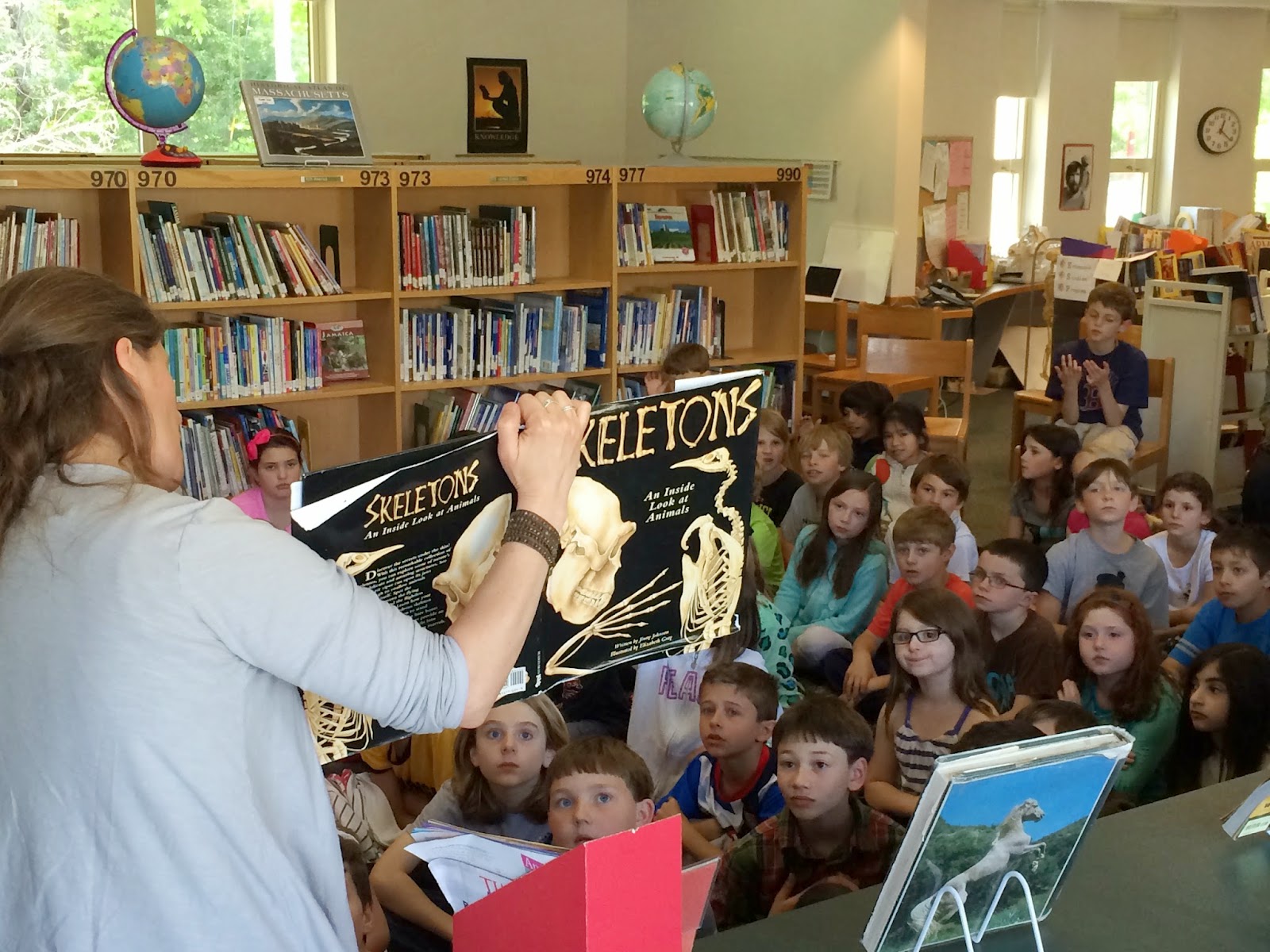
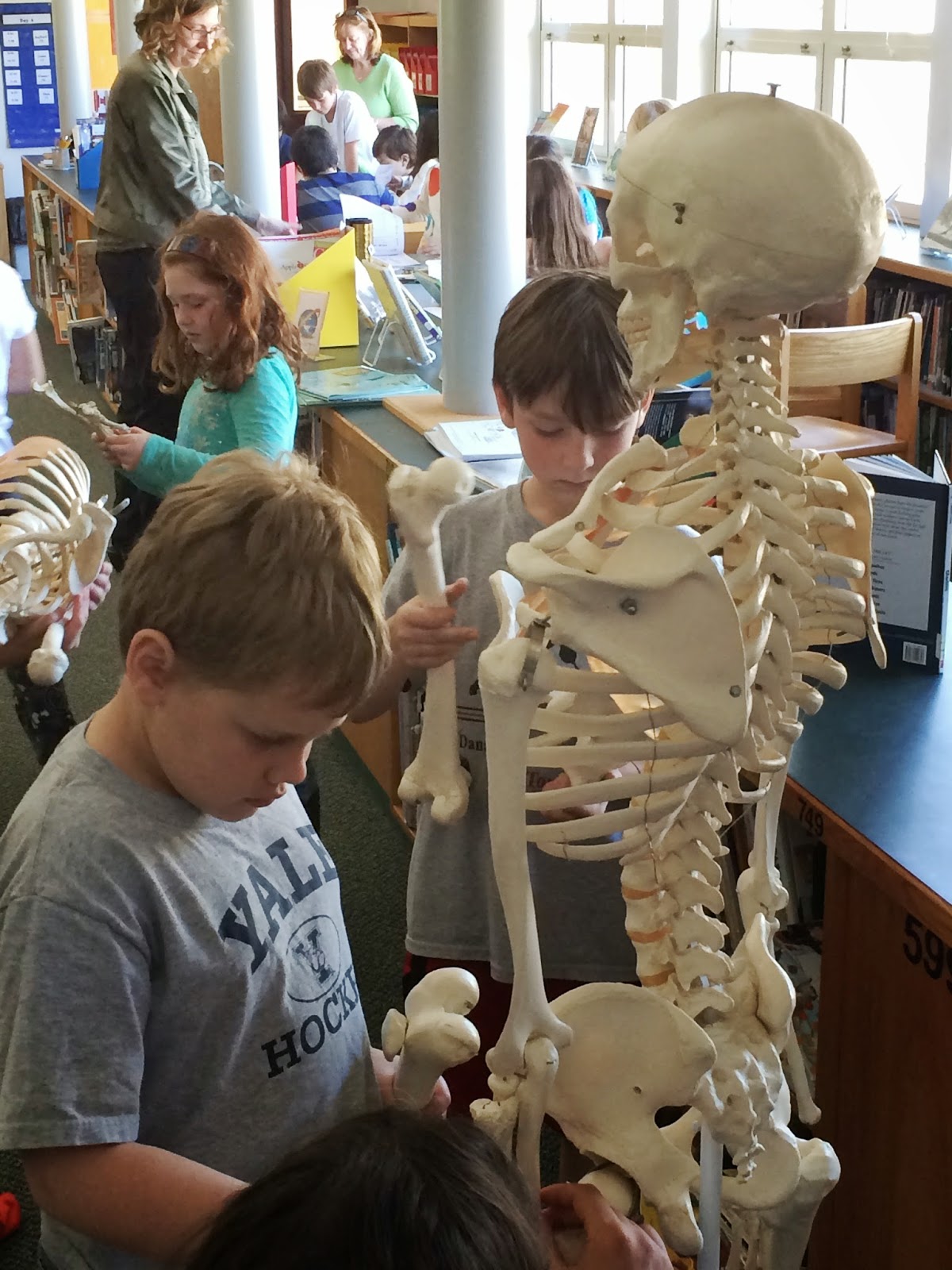
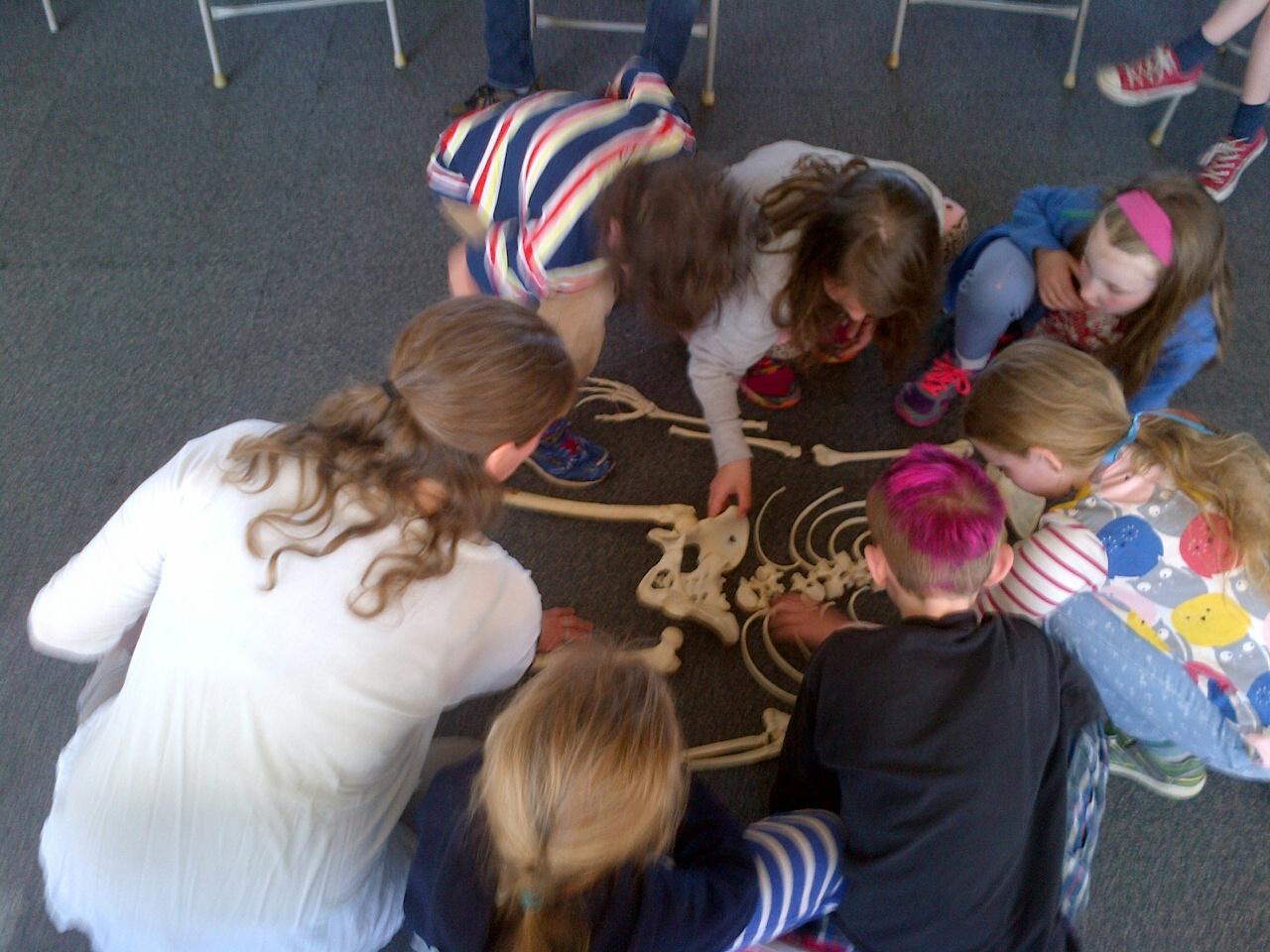
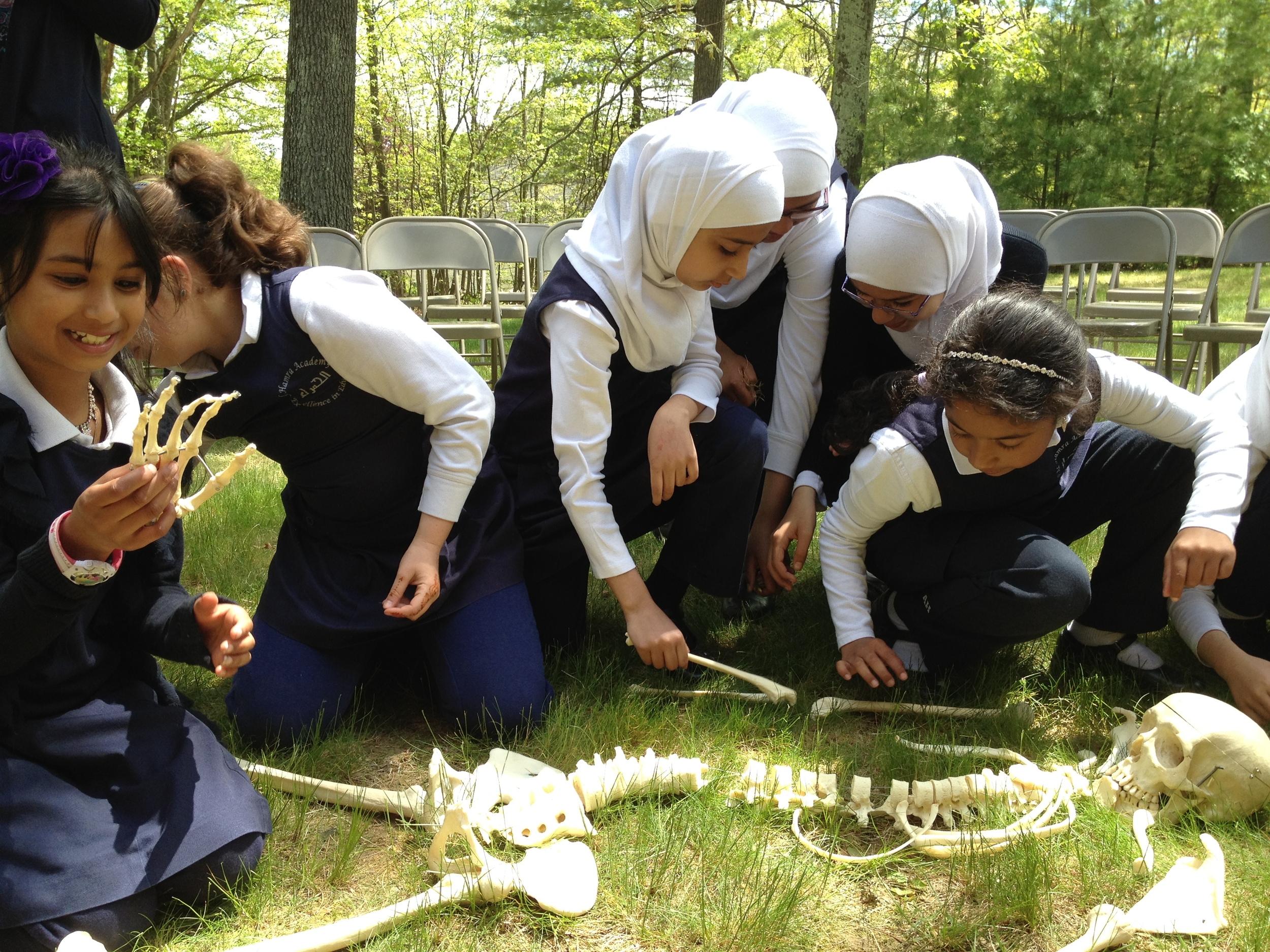
“Sara has presented Bone by Bone: Comparing Animal Skeletons to my first graders two years in a row. Staff and students love her. It’s always an impressive visit. Kids are excited to touch real bones, work together to lay our a skeleton and more importantly, to make connections to their own bodies. It never fails that several future scientists want to linger…so that they can get in an extra question and bone handling. Her books circulate non-stop after her visits.”
Sarah Novogrodsky, Librarian
The Haggerty School



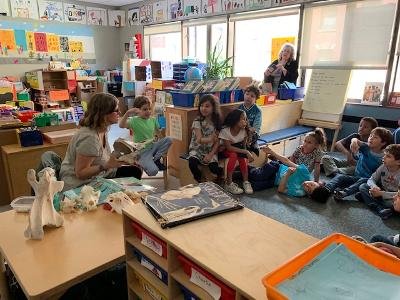
Comparative Anatomy: How Are We Different From Other Animals?
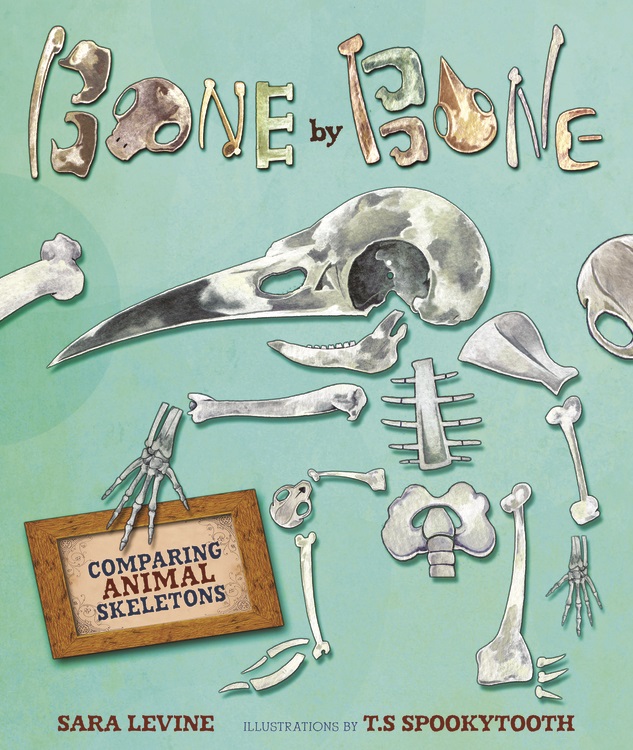


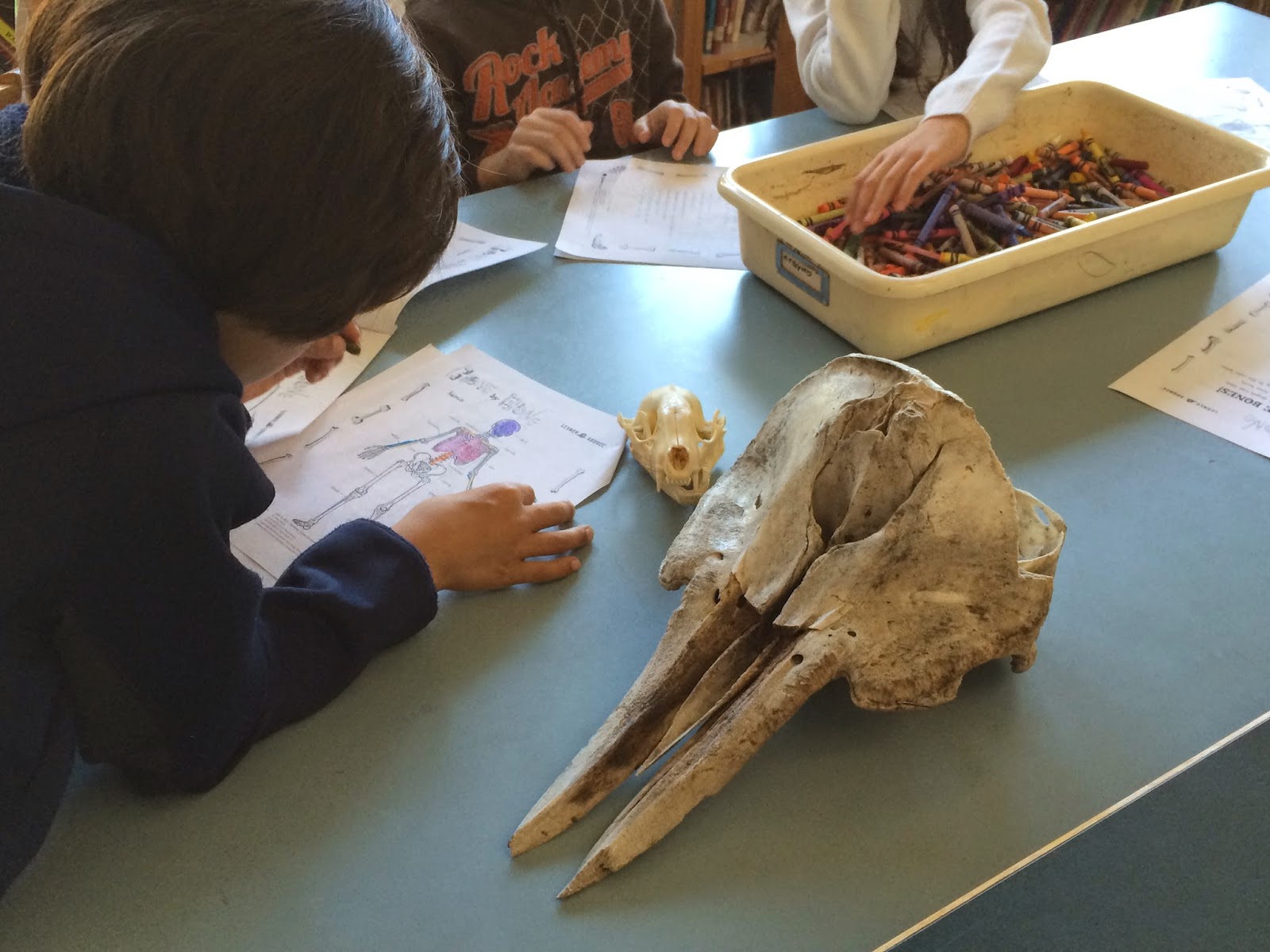
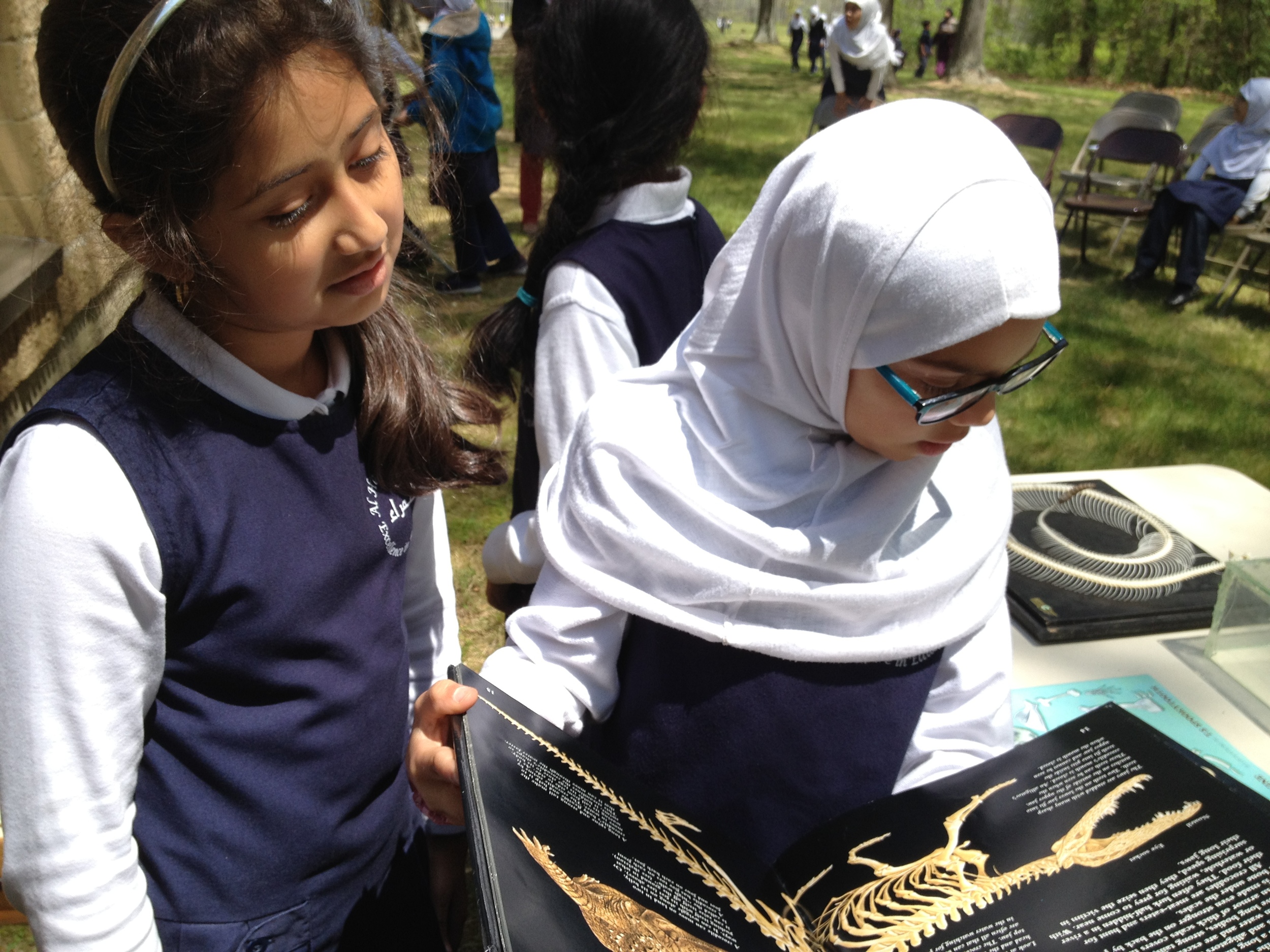
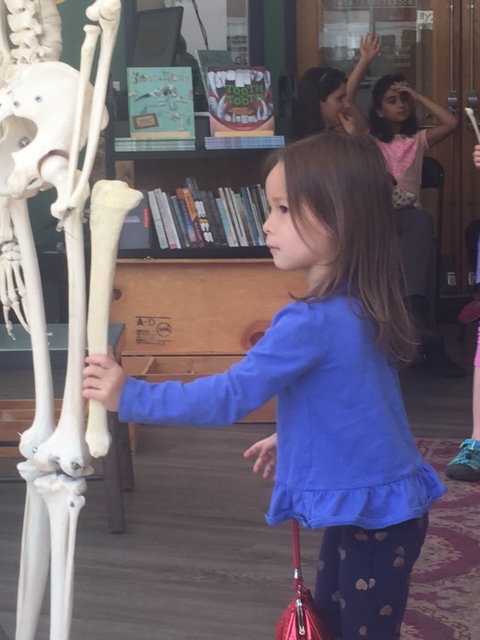
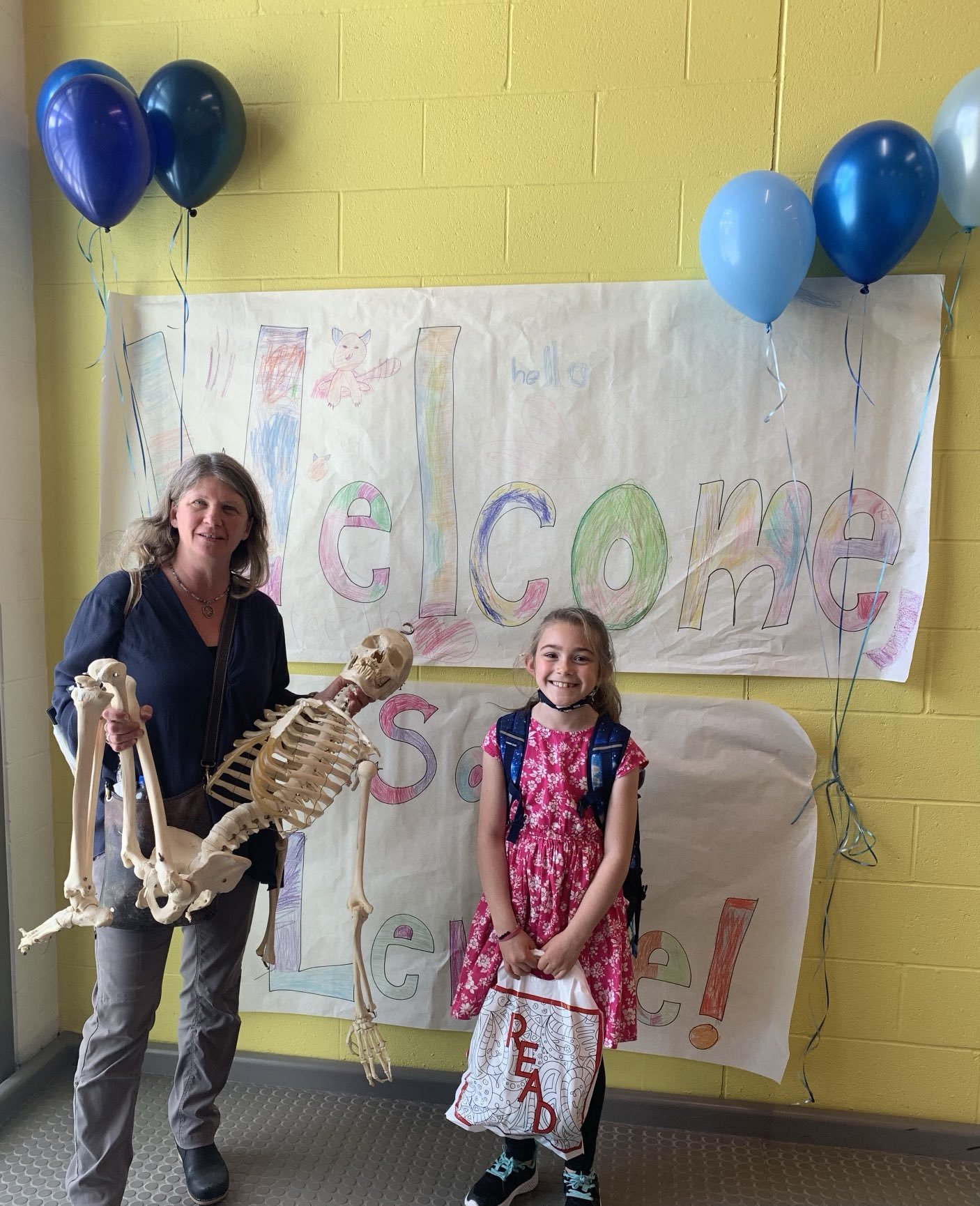
This is a wildly popular presentation because I come with a carload of real animal and human skulls and bones. Students learn about human bones and teeth and see how they compare with those of other vertebrates. This topic is explored through a variety of hands-on activities including guessing games, Simon Says with bones, putting together a human skeleton, and the reading of Bone by Bone or other books in my ANIMAL BY ANIMAL series such as Tooth by Tooth, Fossil by Fossil and Eye by Eye. Children have the opportunity to touch bones from a giraffe, a bat, a dog, a dolphin and a rattlesnake. Presentation is followed by a lively Q&A on all topics related to animals, bones, writing and more.
Best for grades K-5. Suggested workshop time: 40-50 minutes.
A Visit With the Birds: Hands-On Learning About Native Birds
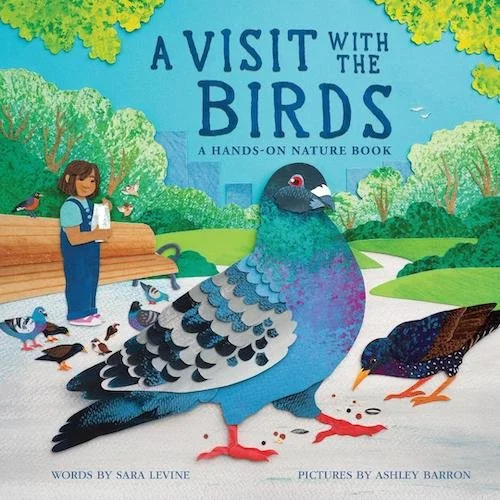
This is a very participatory and interactive reading in which children will learn to make accurate bird calls, identify birds, notice patterns in shape and color, and act out bird behaviors. There will be ample time for Q&A and discussion. There is also an option to go outside and identify local birds by sight and sound.
Best for preschool through second grade. Suggested workshop time 30-50 minutes.
Sensitive: A WORKSHOP ON FRIENDSHIP AND KINDNESS
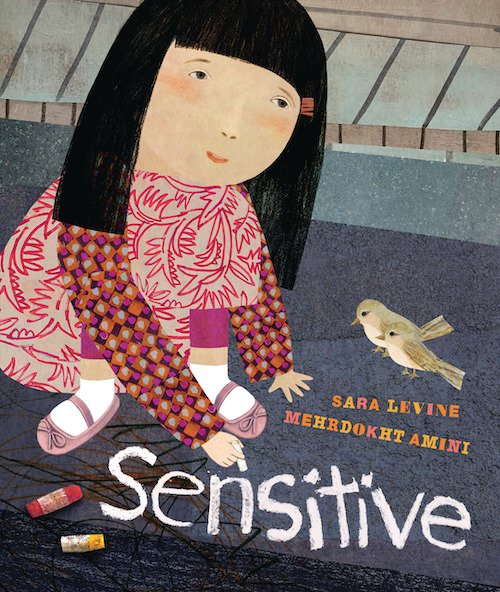
In this social/emotional-focused presentation, I read my book Sensitive and facilitate a participatory discussion on sensitivity and empathy and how to be a good friend. The book follows a girl who is told she is too intense, too sensitive, and feels too much. While she is told to grow a thicker skin, she doesn't know how to do this. In the story, hurtful words of others slip right into her body, and she has to figure out how to protect herself. In the workshop, children write kind words on sticky notes and place them inside a life sized outline of a girl. There will be ample time for Q&A and discussion of writing process as well.
Best for grades 2-6. Suggested workshop time 40-60 minutes
The Animals Would Not Sleep: Math With Stuffies

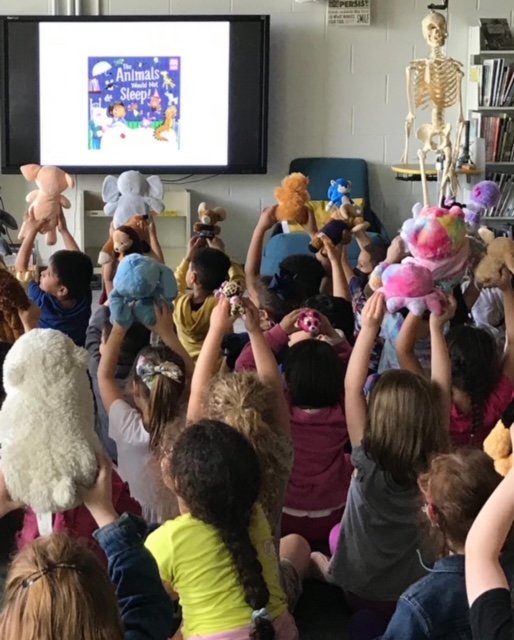
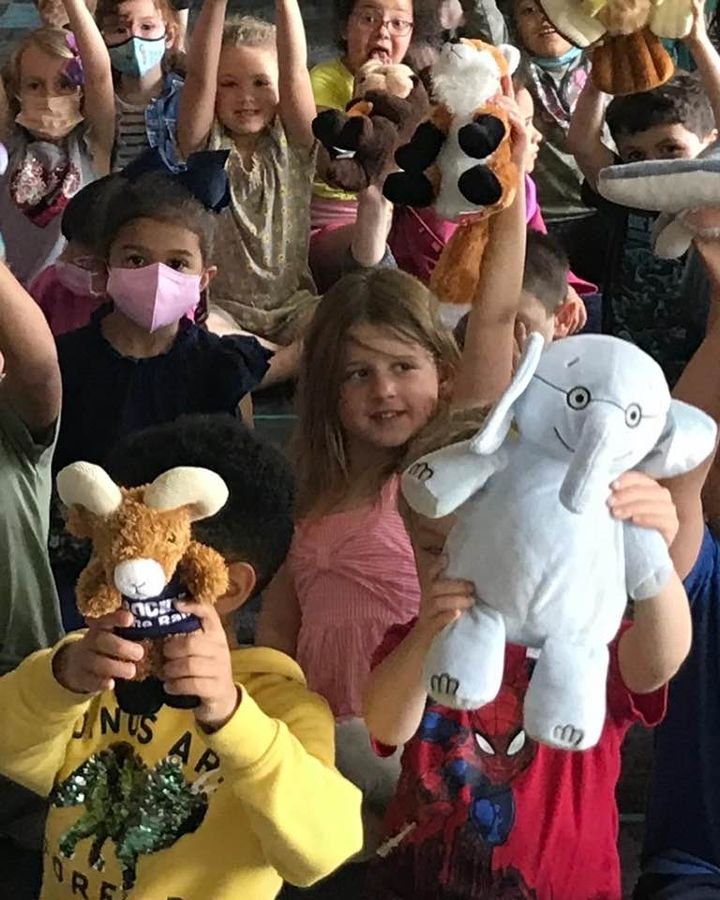
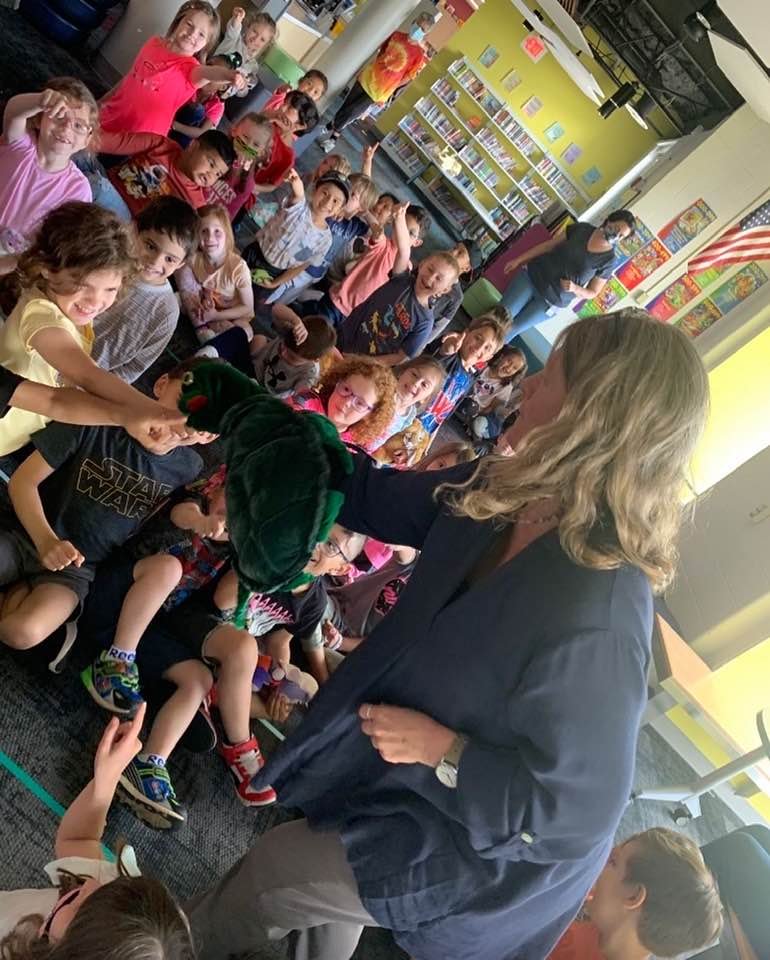
In this engaging math-focused presentation, children are invited to bring along a stuffed animal to join a reading of The Animals Would Not Sleep! Along with main character Marco, they sort their animals by size, color, and locomotion style in an attempt to get them settled down and ready for bed. Do the kids know they are learning mathematic and scientific concepts of sorting? Probably not. Do they have fun? Absolutely! A slightly obnoxious turtle puppet adds to the merriment. This workshop includes time for a Q&A on writing, math, animals and more.
Best for preschool-kindergarten. Suggested workshop time: 30 minutes.
Flower Talk: All About Botany

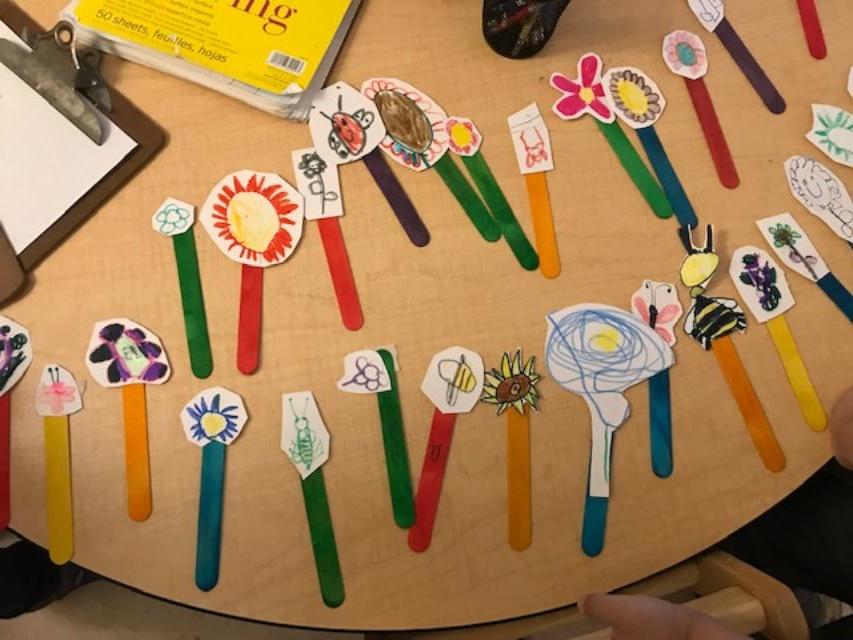
Do flowers actually talk? Well, in a way, yes! Can we see this play out first-hand in a school yard? Absolutely! This workshop is focused on the book Flower Talk: How Plants Use Color to Communicate in which a cranky narrator explains functions flower colors and how pollination works. Through hands-on activities, we expand on this information by dissecting flowers, observing plants and pollinators in the school yard, acting out the parts of a flower in a pollination game and more. A lively Q&A session on all things plant-related and writing-related follows.
Best for grades 1-5. Suggested workshop time 40-60 minutes.
Writing Engaging Nonfiction: Merging the Serious and the Silly

Using Flower Talk as a mentor text, this presentation focuses on teaching students how to write accurate and engaging nonfiction. Topics discussed include research, voice, humor, point of view, and revision. We begin with group brainstorming and exercises. Then there is time for students to work on individual writing. We end with time for sharing, feedback and discussion. Silliness and fun are built into this one. Can be offered once or multiple times.
Best for grades 3-6. Suggested workshop time 40-60 minutes.
Field Guide to a School Yard: Identification of Local Plants and Animals
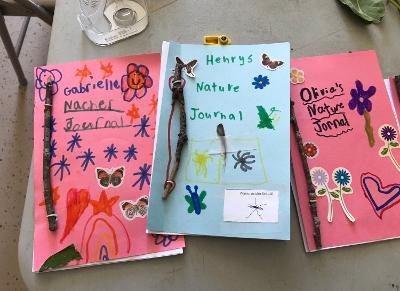
Students learn to identify the interesting plants and animals that live in their school yards. We start with a discussion of what animals and plants they think they will find. Then we go outside to explore. Most school yards have fascinating plants, including ones that have natural dyes children can draw with and ones that are edible. Classification of plants and animals is taught and discussed. Teachers sometimes use this workshop to a launch a cross-disciplinary unit in which the students do further research, writing, and drawing to create their own individual or group field guides. Can be offered once or multiple times over a week, month or season.
Best for grades 1-5. Suggested time: 45-60 minutes.